Commercial Landscape Maintenance for Beauty That Lasts, Not Just a Mowed Property
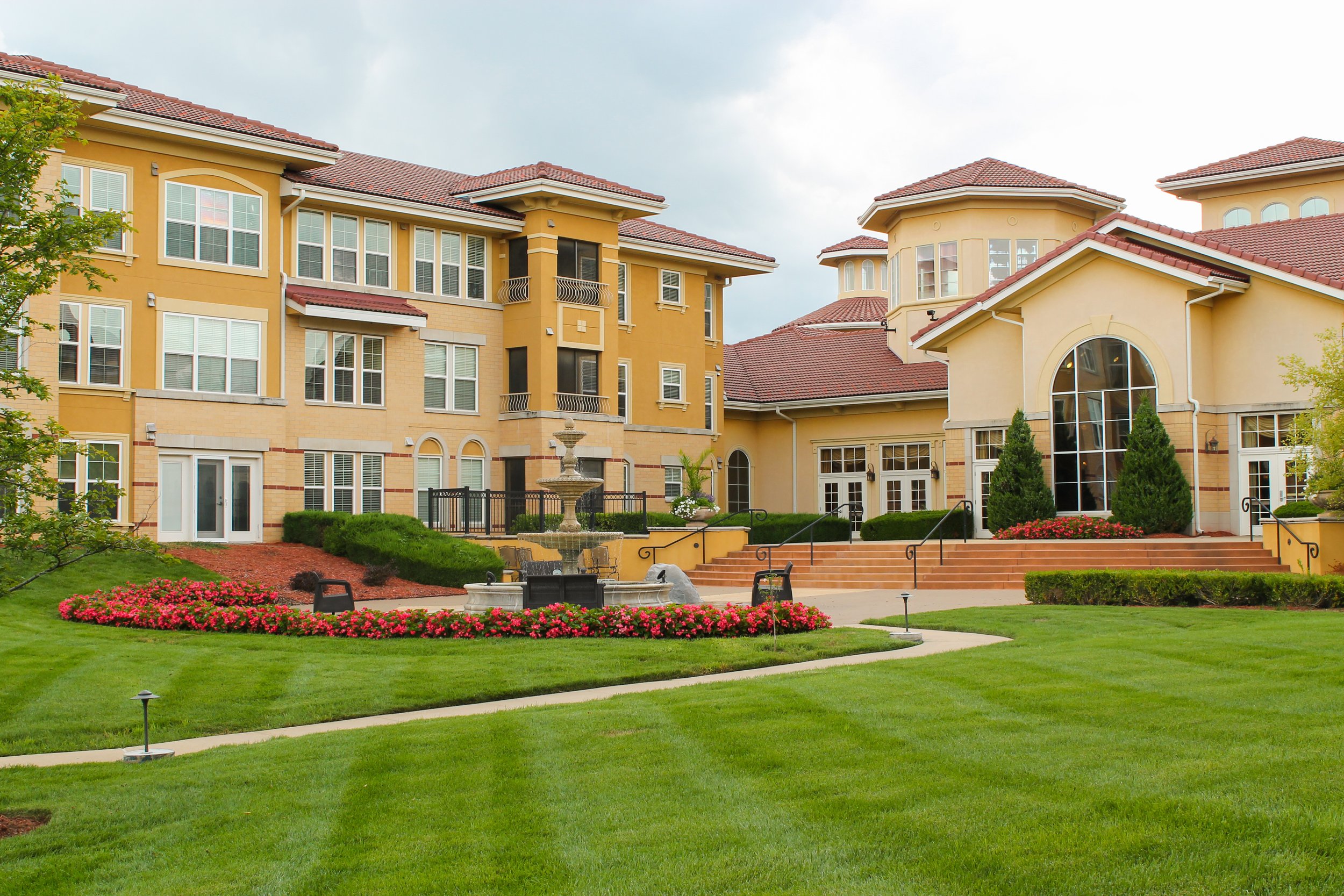
There is a version of commercial property care that keeps things from looking bad. The grass gets cut. The edges get trimmed. The beds get mulched once a year. The leaves get blown in November. And the property looks acceptable for most of the year without ever looking particularly good.
Then there is the version that treats the landscape as something worth investing in. Something that reflects the values of the business, the community it sits in, and the people who see it every day.
That is the difference between cutting grass and practicing commercial landscape maintenance.
The first version reacts. The second one plans ahead, executes with intention, and builds something that improves over time. In a region like Kansas City, where the seasons are demanding, and the climate shifts hard from one extreme to another, that distinction shows up faster than most property managers expect.
Why a Maintenance Contract Is Not the Same as a Maintenance Program
Most commercial properties operate on a contract. A scope of work is defined, a price is set, and a crew shows up on a schedule. That contract keeps the property from becoming a liability. It covers the basics.
But a commercial landscape maintenance program goes further. It is designed around the specific property, the specific plant material, the specific soil conditions, and the specific seasonal pressures that affect how the landscape performs month by month. It is proactive rather than reactive. And it is managed by people who know the property well enough to see problems developing before they become visible to tenants, visitors, or board members.
The distinction matters because commercial landscapes are not static. They grow. They change. They respond to weather, traffic patterns, irrigation, disease pressure, and a hundred other variables that shift with the seasons. A contract that says "mow weekly, mulch annually, prune quarterly" does not account for any of that. A program does.
What Kansas City's Climate Demands
The Kansas City metro area sits in a climate zone that tests every element of a commercial landscape. Winters bring ice, wind, freeze-thaw cycles, and salt exposure that damage turf, hardscape, and plant material. Spring arrives fast and wet, with a narrow window to get beds cleaned, turf treated, and irrigation activated before the growing season takes off. Summers are hot and humid, pushing turf into stress and creating conditions for fungal disease, insect pressure, and weed establishment. And fall brings a heavy leaf load, cooling temperatures, and the critical window for aeration, overseeding, and winter preparation.
A commercial landscape maintenance program built for this region needs to anticipate every one of those transitions. It needs a calendar, a crew that understands the timing, and a communication structure that keeps property managers informed without requiring them to manage the details.
This is not something you can improvise season to season. It requires a plan that accounts for the full year, not just the growing months.
What a Full Year-Round Program Includes
A commercial property in Johnson County, Jackson County, or the surrounding areas deserves more than a weekly mow and blow visit. A comprehensive commercial landscape maintenance program covers every seasonal phase and every element of the landscape:
Turf management, including mowing at species appropriate heights, seasonal fertilization timed to the growth cycle of cool season grasses like fescue and bluegrass, pre-emergent and post-emergent weed control, aeration, and overseeding in the fall to build density heading into winter
Bed and planting maintenance, including pruning timed to bloom cycles, deadheading, edging, seasonal color rotations, and mulch application that refreshes appearance while retaining soil moisture and suppressing weeds
Irrigation monitoring and seasonal adjustment from spring activation through fall shutdown, with regular checks for coverage gaps, broken heads, controller programming errors, and pressure issues that waste water or leave zones underserved
Tree and shrub care, including structural pruning, storm damage assessment, and disease or pest identification before issues spread across the property
Fall cleanup, including phased leaf removal on large properties with significant canopy, bed preparation for winter, and final turf applications that strengthen root systems heading into dormancy
Winter planning and coordination with snow and ice management teams so that salt application, plow routes, and material staging do not conflict with landscape features, irrigation components, or sensitive plantings
Each of these services connects to the others. A fertilization program that does not account for mowing height will underperform. Irrigation that runs the same schedule in May that it runs in August will either waste water or stress the turf. Pruning that happens at the wrong time of year will reduce bloom on ornamental plantings or leave shrubs vulnerable heading into winter. The program works when every part of it is coordinated by the same team.
The Role of Communication in a Commercial Program
A well maintained landscape is only part of the equation. The other part is how the relationship between the maintenance provider and the property manager actually functions day to day.
On a commercial property, issues arise that have nothing to do with the turf or the beds. A tenant reports a concern about a tree. A board member notices that the mulch color looks different from last year. An irrigation head near the main entrance is spraying onto the sidewalk. A storm knocks down a limb that needs to be removed before the next business day.
The maintenance provider that handles these situations well is not just the one with the best crews. It is the one with the best communication structure. A dedicated point of contact who knows the property. Response times that match the urgency of the issue. Proactive updates that let the property manager know what was done, what was noticed, and what is coming next on the schedule.
Commercial landscape maintenance at a high level requires this. Properties that have it operate smoothly. Properties that do not spend their time chasing answers, managing complaints, and wondering whether the work is actually getting done to standard.
Related: Achieve a Fresh Entrance With a Commercial Landscaping Company in the Wyandotte County, KS Area
What Proactive Maintenance Prevents
The cost of reactive maintenance is almost always higher than the cost of proactive maintenance. A turf area that was not aerated in the fall develops compaction over the winter, which leads to thin turf in the spring, which creates openings for weeds, which then requires chemical treatment that would not have been necessary if the aeration had happened on schedule.
A shrub that was not pruned correctly develops interior dieback that goes unnoticed until the plant looks hollow and sparse. By that point, the only option is replacement, which costs more than the pruning visit that would have prevented the problem.
An irrigation zone that runs too long in one area and too short in another creates a pattern that shows up as brown patches and soggy spots, neither of which reflect well on the property and both of which are preventable with regular monitoring and adjustment.
Commercial landscape maintenance that is truly proactive catches these issues in the early stages, when the fix is simple and inexpensive, rather than waiting for the symptoms to become visible to everyone on the property.
The same principle applies to seasonal transitions. A property that is not prepared for winter, with irrigation lines that were not properly blown out, perennials that were not cut back, and beds that were not cleaned before the first freeze, starts the following spring at a deficit. The crew is spending March and April catching up on work that should have been finished in November. Meanwhile, the property looks neglected during the exact months when first impressions matter most, when tenants are renewing leases, when buyers are visiting retail centers, and when board members are evaluating whether their landscape provider is earning the contract.
Proactive maintenance eliminates that cycle. It keeps the property ahead of the calendar instead of behind it. And it protects the investment that was made in the landscape installation, which on a commercial property can represent a significant capital expense that depreciates quickly without proper care.
The Sustainability Question
Commercial properties are increasingly expected to demonstrate environmental responsibility, and the landscape is one of the most visible places where that commitment shows up.
A commercial landscape maintenance program designed with sustainability in mind looks different from one that is purely aesthetic. It includes irrigation management practices that reduce water consumption without sacrificing plant health. It uses integrated pest management strategies that minimize chemical inputs. It selects mulch and amendment materials that improve soil biology rather than simply suppressing weeds. And it incorporates native and adaptive plant material into the landscape over time, reducing long-term maintenance costs while supporting the regional ecosystem.
In the Kansas City region, where summer heat can push water consumption to unsustainable levels and where storm water management is an increasing priority for municipalities and property owners alike, sustainable maintenance practices are not a luxury. They are a practical strategy that reduces cost, reduces liability, and demonstrates a commitment to the community that goes beyond the property line.
The landscape can be beautiful and responsible at the same time. In fact, the best maintained commercial properties prove that those two goals are not in conflict. They reinforce each other.
How the Landscape Reflects the Organization Behind It
A commercial property's landscape is the first thing people see. Before the lobby. Before the signage. Before the parking lot. The landscape sets the tone.
A property where the turf is healthy, the beds are clean, the plantings are mature and well shaped, and the seasonal transitions are handled smoothly communicates professionalism and attention to detail. A property where the edges are soft, the beds are weedy, and the mulch is thin communicates the opposite, regardless of what is happening inside the building.
For property managers, HOA boards, corporate campuses, retail centers, and medical facilities across the Kansas City region, the landscape is not just a line item. It is the public face of the organization. And the quality of the commercial landscape maintenance program behind it determines whether that face makes the impression it should.
When It Is Time to Evaluate What You Have
If the landscape on your commercial property has been on autopilot, if the same contract has been renewed year after year without a site walk or a real conversation about what the property needs, it might be worth stepping back and looking at it with fresh eyes.
What has improved over the last few years? What has declined? Are the plantings maturing the way they should, or are they being pruned into shapes that stunt their growth? Is the turf thickening or thinning? Is the irrigation keeping up with the demands of the landscape, or is it running the same program it ran five years ago? Are the beds getting better each season or just getting maintained?
Sometimes the answers are encouraging. The program is working. The property is in good hands. Other times, the answers reveal a gap between what the property could look like and what it actually looks like. That gap is not always obvious from inside the building or from a quick drive through the parking lot. It shows up in the details. The thinning turf along the south exposure. The shrubs that have not been renewed in years. The irrigation system is still running the same zones it was programmed for a decade ago, even though the landscape around it has changed.
A commercial landscape maintenance partner who takes the time to walk the property and talk through those details, without a sales agenda, is the kind of partner worth having.
These are the kinds of questions worth exploring. Not with a pitch. With a walk. A conversation about the property. An honest look at what is working, what is not, and what a program designed around the specific needs of the site would include.
That is always a conversation worth having.
Related: How Commercial Landscaping in the Kansas City Metro Shapes Property Performance
ABOUT THE COMPANY
John T. Hermes, our founder, was a man with a dream and a remarkable blend of business acumen and agricultural passion. After graduating from Oklahoma State University with a degree in Agriculture, he spent a decade in agriculture chemical sales and the military before founding Country Fair Lawns in 1965, which later became Hermes Landscaping. Despite his passing, his vision and passion continue to drive the Hermes team, inspiring them to uphold his legacy and commitment to excellence in the company's endeavors.
