Commercial Tree Trimming in Lenexa, KS: How Professional Tree Care Protects Your Property
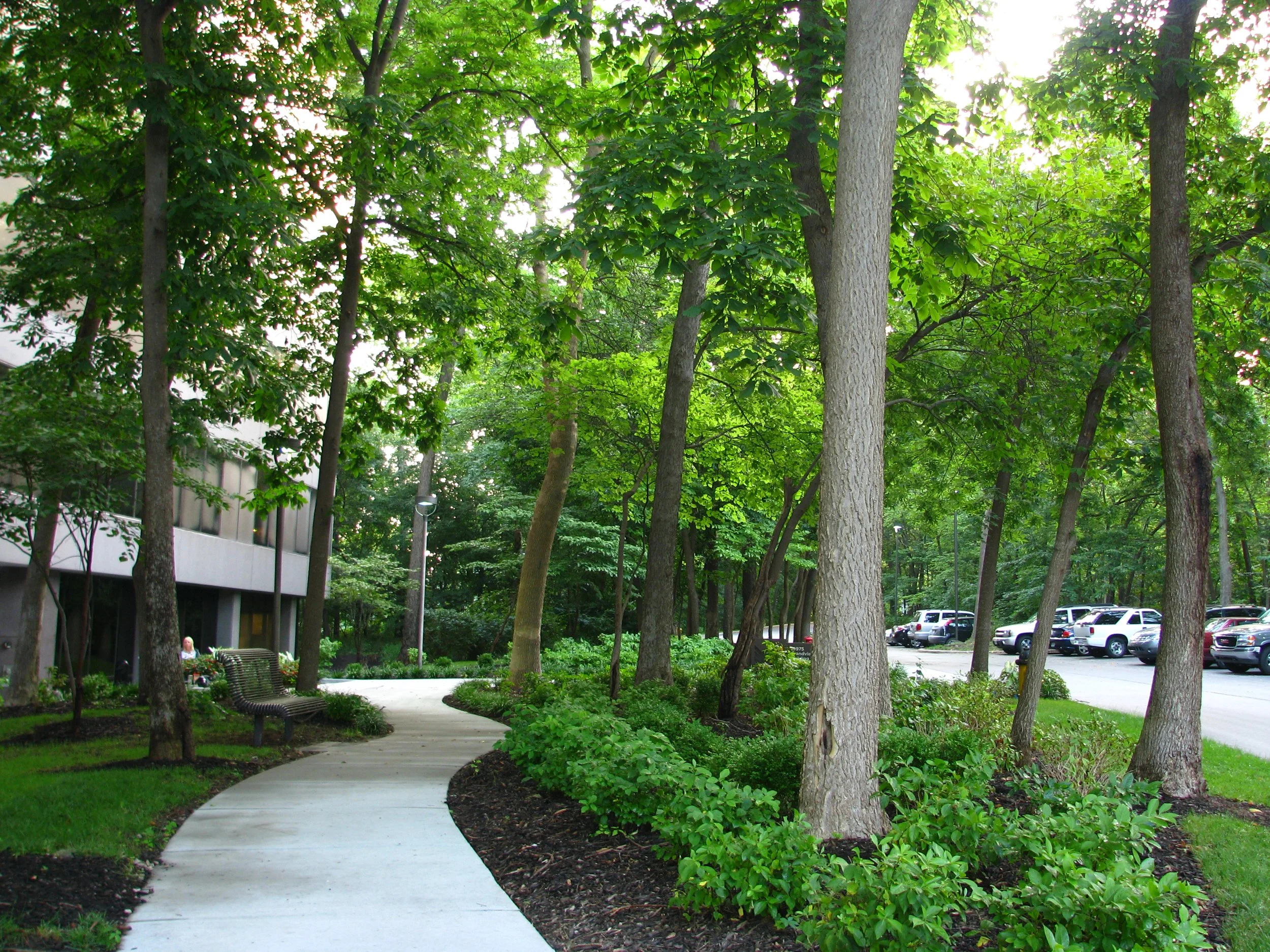
The trees on a commercial property do quiet, valuable work. They shape the first impression of the grounds, shade the parking areas, and signal to tenants and customers that the property is cared for. Left untended, those same trees turn into a liability, dropping limbs, blocking signage, and creating hazards. Commercial tree trimming in Lenexa, KS, keeps the trees on a property healthy, safe, and presentable, protecting both the appearance and the safety of the grounds.
Commercial tree trimming is different from a homeowner pruning a backyard tree. The scale is larger, the safety and liability stakes are higher, and the work has to happen on a schedule that keeps a business running without disruption. Professional commercial tree care brings the crews, the equipment, and the knowledge to handle mature trees across a property while keeping tenants, customers, and the grounds safe.
Hermes Landscaping has served the Kansas City metro as a family-owned commercial and residential landscape contractor since 1965, delivering the maintenance, seasonal care, and grounds services that commercial properties depend on across Johnson County and beyond. That depth of commercial maintenance experience is what a property manager wants behind the tree care on a large or high-traffic property.
The sections below explain what commercial tree trimming involves, why it matters for a commercial property, how often it should happen, and how to choose the right provider.
What Does Commercial Tree Trimming Involve?
Commercial tree trimming is the professional pruning and maintenance of trees across a commercial property. The work covers far more than cutting branches, because healthy, safe trees depend on knowing what to cut and when.
Pruning for Health and Structure
Proper trimming removes dead, diseased, and damaged limbs and shapes the tree so it grows with a strong structure. Cutting the right branches in the right places keeps a tree healthy and reduces the weak, overextended limbs that fail in a storm. This is skilled work, because bad cuts damage a tree and create the exact hazards trimming is meant to prevent.
Clearance and Sight Lines
On a commercial property, trees have to stay clear of the things around them. Trimming keeps branches off buildings and rooflines, away from power lines, clear of walkways and drive lanes, and out of the way of signage and lighting. Maintaining those clearances and sight lines keeps the property safe and functional and keeps the business visible from the street.
Safety and Hazard Reduction
A major part of commercial tree work is removing hazards before they cause harm. Dead limbs, weak branches, and storm-damaged wood threaten vehicles, pedestrians, and structures. Professional trimming identifies and removes those risks, reducing the chance of a falling limb injuring someone or damaging property. On a commercial site, that hazard reduction is central to the job.
Cleanup and Disposal
Commercial tree work generates a large volume of debris, and professional service includes the cleanup and disposal. A crew that clears the limbs, chips the brush, and leaves the property clean keeps the grounds presentable and the site safe. That full-service handling is part of what separates a professional commercial provider from a one-person operation.
Trimming vs. Removal
Not every problem tree needs to come down. Skilled trimming often saves a tree that looks troubled, removing the hazardous limbs while preserving the healthy structure and the value the tree adds to the property. A professional provider assesses whether a tree is best served by trimming, by more involved care, or, when a tree is truly declining or dangerous, by removal. Knowing the difference protects both the property and the mature trees that are hard and slow to replace.
Shade, Energy, and Tenant Experience
Healthy trees do practical work on a commercial property beyond their looks. Well-placed, well-maintained trees shade parking areas and buildings, cool the grounds in the Kansas summer, and make outdoor spaces pleasant for tenants, employees, and visitors. Trees kept in good condition support that experience, while overgrown or declining trees detract from it. Professional trimming preserves the comfort and the practical benefits that mature trees bring to a property.
Why Does Commercial Tree Trimming Matter for Your Property?
Tree care is not cosmetic on a commercial property. It reaches into the safety, the liability, and the value of the site.
Curb Appeal and First Impressions
The grounds of a commercial property shape the impression it makes on everyone who arrives. Well-maintained trees signal a property that is cared for, while overgrown or damaged trees signal neglect. For a business, that first impression matters to customers, tenants, and prospects, and healthy, shaped trees are a visible part of it.
Safety and Liability
Trees on a commercial property carry real liability. A falling limb that injures a customer or damages a vehicle becomes the property owner's problem, and overgrown trees that block sight lines or lighting create hazards of their own. Regular professional trimming reduces those risks and demonstrates the reasonable care that protects a property owner. Managing that liability is one of the strongest reasons commercial properties invest in tree care.
Tree Health and Longevity
Mature trees are a valuable, hard-to-replace asset on a property, and proper trimming protects that investment. Regular, skilled pruning keeps trees healthy, catches disease and damage early, and extends their life. Neglected trees decline, become hazardous, and eventually need costly removal. Consistent care keeps the trees on a property as an asset rather than a growing problem.
Protecting Buildings and Infrastructure
Trees that grow into buildings, power lines, and pavement cause expensive damage. Branches against a roof wear the surface, roots and limbs interfere with infrastructure, and overgrowth threatens utility lines. Trimming that keeps trees clear of structures protects the buildings and the systems on a property from the slow, costly damage that unmanaged growth causes.
Young Trees vs. Mature Trees
The right care changes as a tree ages. Young trees benefit from structural pruning that shapes strong growth and prevents problems years down the road, while mature trees need maintenance that manages size, removes deadwood, and preserves health. A provider who understands both stages cares for the trees on a property across their whole life, building strength into the young ones and protecting the investment in the established ones. That long view is part of what a professional maintenance relationship delivers.
Budgeting Tree Care Across the Year
Tree care fits into a property's annual grounds budget, and a maintenance program makes that cost predictable. Rather than facing a large, unexpected bill when a tree becomes a problem, a property spreads planned trimming across the year and avoids the higher cost of emergency work and removal. A provider that builds a program and communicates the plan lets a manager budget with confidence. Predictable, planned care almost always costs less over time than reacting to hazards after they develop.
How Often Should Commercial Trees Be Trimmed?
There is no single schedule for every property, and the right cadence depends on the trees, the site, and the goals. A professional provider builds a plan around the specific property.
It Depends on the Trees and the Site
Different species grow at different rates, and a fast-growing tree near a building needs attention more often than a slow-growing tree in an open area. The location matters too, because trees near walkways, drive lanes, and signage need tighter clearance than trees at the edge of a lot. A provider assesses the property and sets a schedule that fits the trees and their surroundings.
Seasonal Timing
Timing affects both the health of the tree and the result of the trimming. Many trees respond best to pruning during dormancy, while hazard removal happens whenever a risk appears. A provider who understands the right timing for the species on a property trims in a way that supports tree health rather than stressing the tree. Seasonal planning is part of a professional maintenance program.
A Regular Maintenance Program
For most commercial properties, the best approach is a regular maintenance program rather than one-off calls. Scheduled trimming keeps the trees consistently safe and presentable, catches problems early, and spreads the work across the year. A program also means the provider knows the property and its trees, which produces better care over time. A company that offers ongoing commercial maintenance is built for this kind of program.
Responding to Storms and Damage
Kansas weather produces storms that damage trees, and prompt response protects the property. A provider who addresses storm-damaged and hazardous trees quickly keeps a property safe after severe weather. That responsiveness is an important part of commercial tree care, because a damaged limb left in place is a hazard waiting to fall.
Proper Pruning Standards
Tree work done wrong causes lasting damage, and the difference is not always obvious to an untrained eye. Practices like topping a tree or over-thinning it weaken the tree, invite disease, and create the hazards trimming is meant to prevent. A professional provider prunes to recognized standards that support the health and structure of the tree. Asking how a company approaches pruning, and whether it follows sound arboricultural practice, separates a real tree care provider from a crew that simply cuts branches.

What Should You Look for in a Commercial Tree Trimming Provider?
Plenty of companies offer to cut branches. Fewer bring the crews, the insurance, and the professionalism a commercial property requires. The difference shows in experience, credentials, and reliability.
Commercial Experience and Capacity
A commercial property needs a provider with the crews and equipment to handle the scale of the work. Ask whether the company has commercial maintenance experience and the capacity to service a large or high-traffic property. Hermes Landscaping has decades of commercial landscape and maintenance experience across the Kansas City metro, which means the team is built to handle commercial grounds and the trees on them.
Insurance and Safety Practices
Tree work is hazardous, and a commercial provider has to carry proper insurance and follow safety practices that protect the property and the public. Verify insurance and ask how the company manages safety on a commercial site. A provider that takes safety seriously protects a property owner from the liability that unsafe tree work creates.
Full-Service Grounds Capability
Tree trimming is one part of maintaining a commercial property, and a provider that also handles the broader grounds keeps everything coordinated. A company offering landscape maintenance, seasonal care, irrigation, and snow removal alongside tree work manages the whole property under one relationship. That range simplifies the property manager's job and keeps the grounds consistent.
Reliability and Communication
A commercial property depends on a provider that shows up, works around the business, and communicates clearly. Ask about scheduling, responsiveness, and how the company coordinates work on an operating site. A reliable provider with clear communication keeps the tree care on schedule and the disruption to the business minimal.
Coordinating Tree Work With Grounds Care
Tree trimming rarely happens in isolation on a commercial property. It coordinates with the mowing, the seasonal color, the irrigation, and the general grounds maintenance that keep a site presentable. A provider that handles the full range of grounds care schedules the tree work alongside everything else, so the property gets consistent attention and the trimming fits into a larger plan. That coordination is a practical advantage of working with a full-service commercial landscape partner rather than a standalone tree crew.
Documentation and Communication
On a commercial property, a manager needs to know what work was done and why. A professional provider documents the trees serviced, the hazards addressed, and the plan going forward, and communicates clearly with the property manager throughout. That documentation supports budgeting, demonstrates the care taken on the property, and keeps everyone aligned on the condition of the trees. Clear records and communication are part of what makes a provider a reliable long-term partner.
What Does the Commercial Tree Trimming Process Look Like?
A professional commercial tree trimming engagement follows a clear path, and understanding it sets expectations for a property manager. At Hermes Landscaping, the work fits into a broader commercial maintenance relationship.
Assessment and Planning
The process opens with an assessment of the property and its trees. The team reviews the species, condition, and locations of the trees, identifies hazards and clearance needs, and builds a plan and schedule that fit the property. This assessment turns tree care into a plan matched to the specific site.
Scheduling Around the Business
With the plan set, the work gets scheduled to minimize disruption to the business. A commercial provider coordinates timing so the trimming happens without interfering with operations, tenants, or customers. That scheduling is part of what makes commercial tree work different from residential.
Professional Trimming and Cleanup
The crew performs the trimming to professional standards, removing hazards, maintaining clearances, and pruning for health, then cleans up and disposes of the debris. Skilled work and thorough cleanup keep the trees healthy and the property safe and presentable.
Ongoing Maintenance
The strongest results come from an ongoing relationship rather than a single visit. A provider that maintains the property over time keeps the trees consistently cared for, responds to storms and hazards, and coordinates tree work with the rest of the grounds care. That continuity protects the property year after year.
Protect Your Property With Hermes Landscaping
Commercial tree care is a long-term investment in the safety, appearance, and value of a property, and the provider behind it decides whether that investment delivers. The right team keeps the trees healthy and safe, maintains the clearances and sight lines a commercial site needs, and works on a schedule that keeps the business running.
Property managers and businesses across Lenexa and the Kansas City metro trust Hermes Landscaping for commercial grounds care backed by decades of experience. As a family-owned commercial and residential landscape contractor since 1965, Hermes brings the crews, the range, and the reliability a commercial property demands.
Reach out to Hermes Landscaping today for commercial tree trimming in Lenexa, KS, that protects your property and keeps your grounds presentable.
This blog touches on property safety and hazard management. For any tree that poses an immediate danger to people or structures, contact a qualified professional promptly rather than waiting for a scheduled visit.
ABOUT THE COMPANY
John T. Hermes, our founder, was a man with a dream and a remarkable blend of business acumen and agricultural passion. After graduating from Oklahoma State University with a degree in Agriculture, he spent a decade in agriculture chemical sales and the military before founding Country Fair Lawns in 1965, which later became Hermes Landscaping. Despite his passing, his vision and passion continue to drive the Hermes team, inspiring them to uphold his legacy and commitment to excellence in the company's endeavors.
