Commercial Landscape Enhancement Services in Lenexa, KS: Enhancement vs. Maintenance
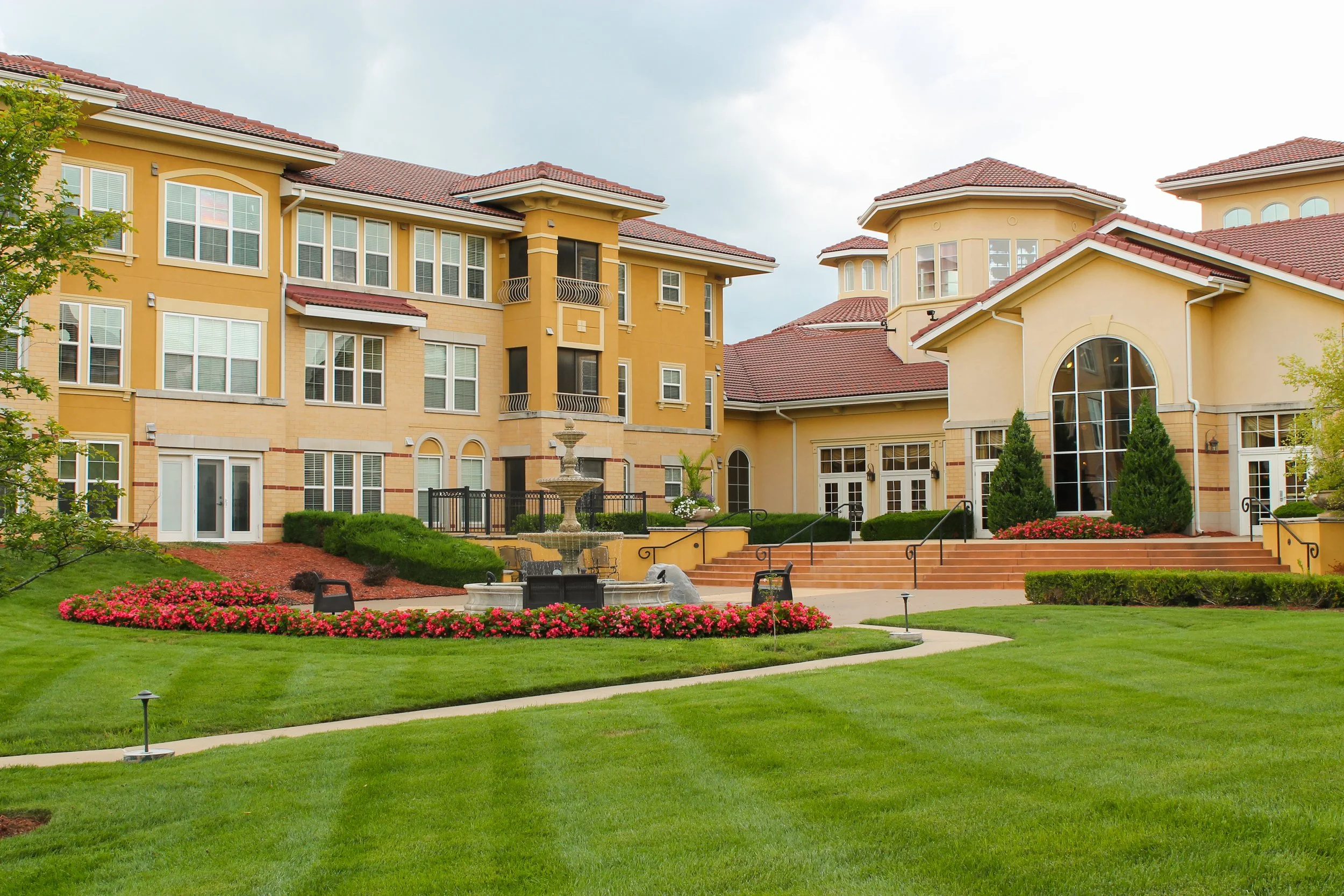
Commercial landscape enhancement services in Lenexa, KS, solve a different problem than routine maintenance does, and confusing the two leads property managers to budget for the wrong thing. Hermes Landscaping has served commercial properties across Lenexa, Shawnee, and the greater Kansas City metro area for more than 50 years.
That history shapes how the team distinguishes enhancement work, capital improvement projects that change a property, from maintenance work, the ongoing care that keeps an existing landscape healthy. Property managers who understand this distinction budget more accurately and get better results from both.
Many commercial properties spend years on a maintenance contract without ever revisiting the landscape's actual design, then wonder why the property looks dated compared to newer developments nearby. Enhancement work is what closes that gap, and knowing when to invest in it changes how a property competes for tenants and clients.
Related: Commercial Landscape Maintenance for Beauty That Lasts, Not Just a Mowed Property
What's the Difference Between Landscape Enhancement and Landscape Maintenance?
Maintenance keeps an existing landscape functioning: mowing, trimming, irrigation servicing, seasonal color rotation, and snow removal all fall under this category. The goal of maintenance is to preserve what already exists at a consistent standard, week after week and season after season.
Enhancement changes the landscape itself: adding new plantings, reworking a tired bed layout, installing hardscape features, or replacing declining turf with a more durable variety. The goal of enhancement is to improve the property beyond its current baseline, not just maintain that baseline.
The two are easy to confuse because maintenance crews often flag the issues that enhancement work eventually solves. A maintenance technician who notices a bed that never fills in properly, no matter how much it gets watered and fertilized, is often looking at a design or soil problem that maintenance alone cannot fix.
Both services depend on each other to keep a property looking its best over time. Enhancement without ongoing maintenance fades quickly, and maintenance without periodic enhancement eventually plateaus at a level the property never grows past.
Why the Budget Categories Matter
Maintenance is typically billed on a recurring contract, while enhancement is typically a separate capital project with its own scope and quote. Property managers who don't separate these budget categories sometimes ask a maintenance contract to absorb enhancement-level work, which either strains the maintenance budget or leaves the underlying problem unaddressed.
Keeping the two budgets distinct makes it easier to justify enhancement spending to ownership or a board, since a capital improvement request reads differently than an increase to a routine service line.
A property manager who tracks enhancement and maintenance spending separately also gets a clearer picture of return on investment for each. That separation makes it easier to show ownership exactly what an enhancement dollar bought, rather than folding it into a maintenance line where the impact gets harder to isolate.
This clarity also matters when comparing bids across contractors for the same enhancement scope. A quote broken cleanly from ongoing maintenance costs lets a property manager evaluate the enhancement investment on its own merits.
What Does a Commercial Landscape Enhancement Project Typically Include?
An enhancement project usually starts with a site assessment that identifies what isn't working: thin turf areas, overgrown or declining shrubs, drainage problems, or an entrance that doesn't reflect the quality of the business behind it. That assessment becomes the basis for a proposed scope rather than a guess at what improvements to make.
Common enhancement scopes include turf renovation through aeration, overseeding, and topdressing to rebuild density in struggling lawn areas. Bed renovation replaces declining or overgrown plantings with species better suited to the site's actual sun exposure and soil conditions.
Hardscape additions, such as updated walkways, retaining walls, or entrance features, often accompany planting work when a property wants a more complete transformation rather than a plant-only refresh. Lighting upgrades frequently pair with these projects as well, since new plantings and hardscape features benefit from lighting that shows them off after dark.
Irrigation adjustments are worth including in the scope discussion too, since new plantings and turf areas often need different watering zones or coverage than what the existing system was designed for. Skipping this step is a common reason enhancement plantings underperform in their first year.
Getting an Accurate Proposal
A property manager comparing proposals from different contractors should confirm each one covers the same scope in writing, since a lower bid sometimes reflects a narrower scope rather than better pricing on the same work. Ask specifically whether irrigation adjustments, soil amendment, and warranty on new plantings are included or billed separately.
A detailed proposal that breaks out labor, materials, and each phase separately is easier to compare across contractors than a single lump-sum number. It also gives the property manager a clearer basis for approving change orders if the scope shifts once work begins.
Ask each contractor for references from enhancement projects completed at least one full growing season ago, not just recently finished work. A project that still looks strong a year later, after a full season of weather and use, tells a property manager more than photos taken the week installation wrapped.
Sequencing an Enhancement Project
Most enhancement projects move through design, material selection, and installation phases, similar to any construction project. A property manager should expect a proposed timeline broken into these phases rather than a single completion date, since weather and material lead times affect each phase differently.
Larger enhancement scopes sometimes get phased across multiple budget cycles or seasons, addressing the most visible or highest-priority areas first. A landscape contractor experienced with phased projects sequences the work so each phase looks complete on its own.
That sequencing matters more than it first appears. A property left looking half-finished between phases sends a worse impression to visitors than the original problem the enhancement was meant to fix.
How Often Should a Commercial Property Invest in Enhancements?
There's no fixed schedule that applies to every property, since enhancement needs depend on the age of the existing landscape, how it's used, and how quickly a specific site's conditions cause wear. A property with heavy foot traffic through its landscaped areas typically needs more frequent enhancement than one with lighter use.
As a general pattern, many commercial properties benefit from a meaningful enhancement review every three to five years, even if the maintenance program has kept the landscape consistently tidy in the meantime. Plantings mature, some species decline faster than others, and design trends that looked current a decade ago start to read as dated next to newer developments.
Properties preparing for a lease-up push, a change in ownership, or a rebrand often accelerate this timeline, since first impressions carry more weight during those moments than they do during steady-state operation.
Seasonal timing also affects when enhancement work makes the most sense. Turf renovation and most planting projects perform best when installed in spring or fall, so a property planning an enhancement should build that seasonal window into its budget planning well before the work is needed.
Signs the Timeline Should Move Up
Turf that never fully recovers no matter how well it's maintained usually signals a soil or drainage issue that enhancement work addresses directly. Shrubs and trees that have outgrown their original spacing, blocking signage or sightlines, are another common trigger for enhancement rather than continued maintenance.
A noticeable gap between how a property looks and how nearby comparable properties look is often the clearest signal, since prospective tenants and clients make quick, visual comparisons before they ever step inside a building.
Recurring maintenance complaints about the same area, season after season, are also worth flagging to a contractor directly. A spot that needs unusual extra attention every year is often trying to tell a property manager that the underlying planting or grading, not the maintenance routine, is the actual problem.
Can Enhancement and Maintenance Contracts Work Together?
Enhancement and maintenance work best as complementary services rather than competing budget lines. A single contractor handling both typically coordinates the transition more smoothly than splitting the work between separate companies.
A maintenance crew already familiar with a property's soil, irrigation, and traffic patterns brings useful context into an enhancement project's design phase. That familiarity often surfaces details a new contractor would need weeks to learn.
After an enhancement project wraps, the maintenance program needs to shift to support what was just installed. New plantings often need adjusted watering schedules during establishment, and new turf areas need a different mowing and fertilization approach than mature turf until they're fully established.
A contractor who provides both services builds that transition into the enhancement proposal from the start, rather than leaving the property to figure out a revised maintenance plan on its own after the enhancement crew leaves. This continuity protects the investment made in the enhancement work itself.

How Do You Know a Property Needs Enhancement Rather Than Maintenance?
A useful test is asking whether the problem would improve under the current maintenance plan if given more time, or whether it has already had enough time and hasn't improved. Turf that stays thin despite a full growing season of consistent care points toward an enhancement-level fix rather than a maintenance adjustment.
Cosmetic complaints tied to design rather than upkeep, like an entrance bed that looks plain regardless of how well it's weeded, point toward enhancement as well. Maintenance only works with what's already planted; it does not change the underlying design.
Comparing the property against its own history is a useful gut check too. A landscape that looked fresh three years ago and now looks tired, despite a consistent maintenance schedule the whole time, has almost certainly reached the point where enhancement, not more maintenance, is the answer.
A Simple Framework for Property Managers
Ask whether the fix involves adding, removing, or replacing something physical on the property, which points toward enhancement, or whether it involves doing existing tasks more consistently, which points toward maintenance. This distinction guides property managers toward the right kind of request.
Bringing the correct framing to a landscape contractor from the start avoids asking a maintenance crew to solve a design problem it was never scoped to fix.
When the answer isn't obvious, a site walk with an experienced contractor usually clarifies it quickly, since a trained eye often tells within minutes whether a struggling area needs a different care routine or a different plan altogether.
Keeping notes on which areas of a property generate recurring maintenance requests, and for how long, gives a property manager useful documentation to bring into that site walk. A contractor working from specific history, rather than a general impression of the property, arrives at a more accurate recommendation faster.
Choosing a Landscape Partner for Both Enhancement and Maintenance
A landscape contractor that only offers maintenance has limited ability to solve problems that maintenance alone cannot fix. A contractor that only handles large enhancement projects often provides no ongoing care to protect that investment afterward, and a property is best served by a contractor equipped to handle both.
Ask any commercial landscape contractor how they coordinate between their enhancement and maintenance teams, since a company that treats these as entirely separate departments with no communication between them risks the same disconnect a property faces when hiring two separate companies.
Properties throughout Lenexa, Shawnee, and the greater Kansas City metro area benefit from a landscape partner who assesses whether a problem calls for enhancement or maintenance. A contractor confident in that assessment delivers whichever service actually fits, without steering every conversation toward the more profitable option.
Schedule a commercial landscape enhancement consultation with Hermes Landscaping to find out whether your property's needs call for an upgrade, a maintenance adjustment, or both.
Frequently Asked Questions
What's the difference between landscape enhancement and landscape maintenance?
Maintenance keeps an existing landscape functioning through recurring tasks like mowing, trimming, and irrigation servicing, while enhancement changes the landscape itself through new plantings, bed renovations, or hardscape additions. Maintenance preserves a property's current baseline, while enhancement improves the property beyond that baseline. Most commercial properties need both working together, since enhancement without ongoing maintenance fades quickly, and maintenance alone eventually plateaus.
What does a commercial landscape enhancement project typically include?
A project usually starts with a site assessment identifying what isn't working, such as thin turf, overgrown shrubs, or drainage problems, which becomes the basis for a proposed scope. Common work includes turf renovation, bed replanting, hardscape additions like walkways or retaining walls, and lighting upgrades. Irrigation adjustments are also worth including, since new plantings often need different watering coverage than the existing system was designed for.
How often should a commercial property invest in landscape enhancements?
There's no fixed schedule, since the right timeline depends on the landscape's age, how the property is used, and how quickly local conditions cause wear. Many commercial properties benefit from a meaningful enhancement review every three to five years, even with consistent maintenance in between. Properties preparing for a lease-up push, ownership change, or rebrand often move up that timeline since first impressions carry extra weight during those moments.
Can enhancement and maintenance be handled under one contract?
Enhancement and maintenance work best as complementary services, and a single contractor handling both typically coordinates the transition more smoothly than splitting the work between two companies. A maintenance crew already familiar with a property's soil and irrigation brings useful context into an enhancement project's design phase. After an enhancement wraps, the maintenance program also needs to shift to support what was just installed, which a combined contractor can plan for in advance.
How do I know if my property needs enhancement instead of more maintenance?
A useful test is asking whether a problem would improve given more time under the current maintenance plan, or whether it's already had enough time and hasn't improved. Turf that stays thin despite a full growing season of consistent care, or a bed that looks plain no matter how well it's weeded, both point toward a design-level issue that maintenance alone cannot fix. A site walk with an experienced contractor usually clarifies which category a problem falls into within minutes.
Related: How Commercial Landscaping Contributes to a Professional Image in the Clay County, MO Area
ABOUT THE COMPANY
John T. Hermes, our founder, was a man with a dream and a remarkable blend of business acumen and agricultural passion. After graduating from Oklahoma State University with a degree in Agriculture, he spent a decade in agriculture chemical sales and the military before founding Country Fair Lawns in 1965, which later became Hermes Landscaping. Despite his passing, his vision and passion continue to drive the Hermes team, inspiring them to uphold his legacy and commitment to excellence in the company's endeavors.